| Internship Hours Log |
Don Edwards San Francisco Bay National Wildlife Refuge Educational Center | ||
| Date | Daily Hours | Total Hours For The Day. | Daily Duties and Experience |
| 8/28/2012 | Wrote and sent email to Julie Kahruff of Don Edwards Wetlands. Requesting a possible internship. | ||
| 9/4/2012 | Called Julie Kahruff and left message. | ||
| 9/6/2012 | Called Julie Kahruff, made contact, she sounds interested, we have a meeting set up for 9/16/2012 @ 0900 hours. | ||
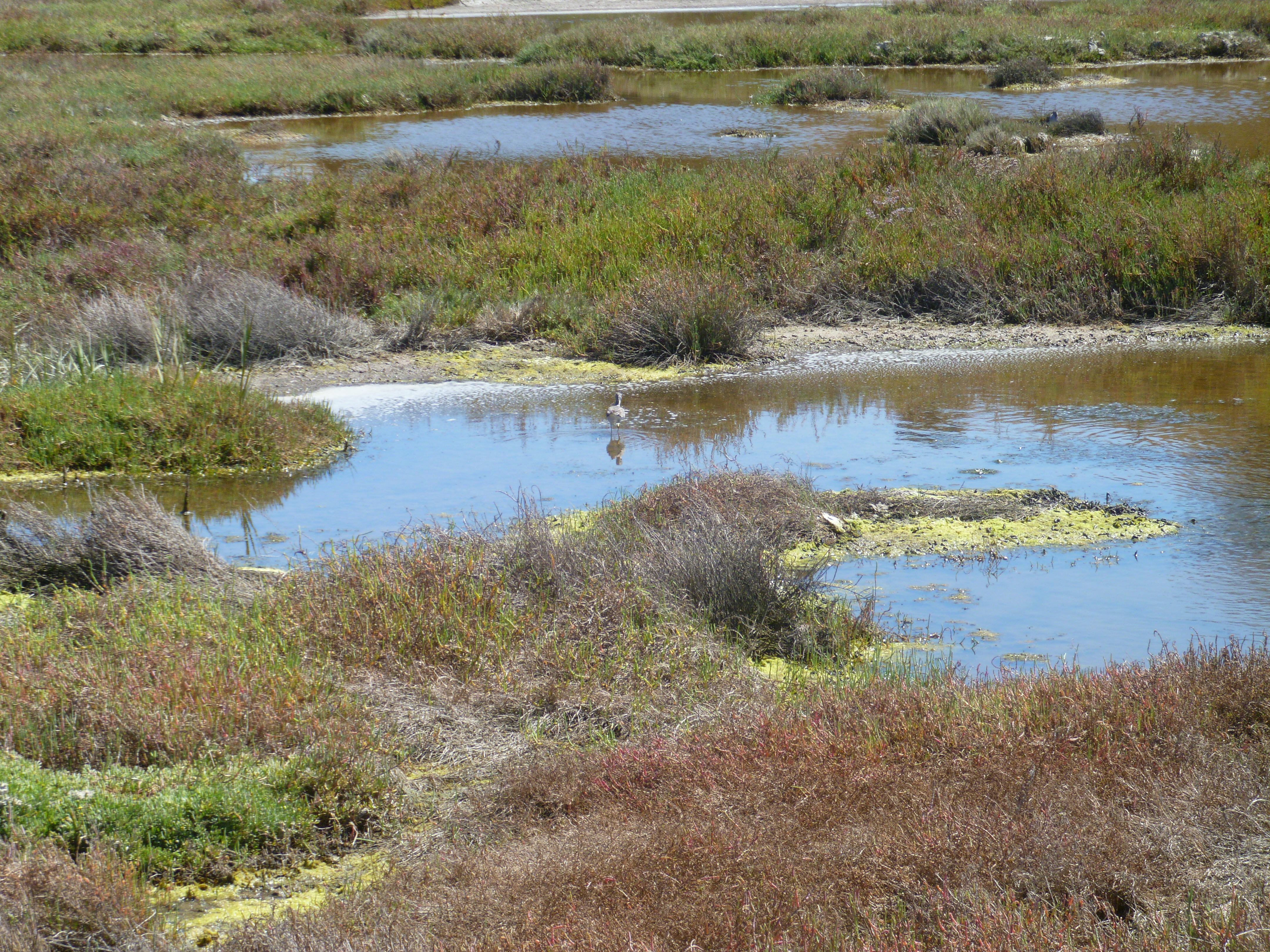
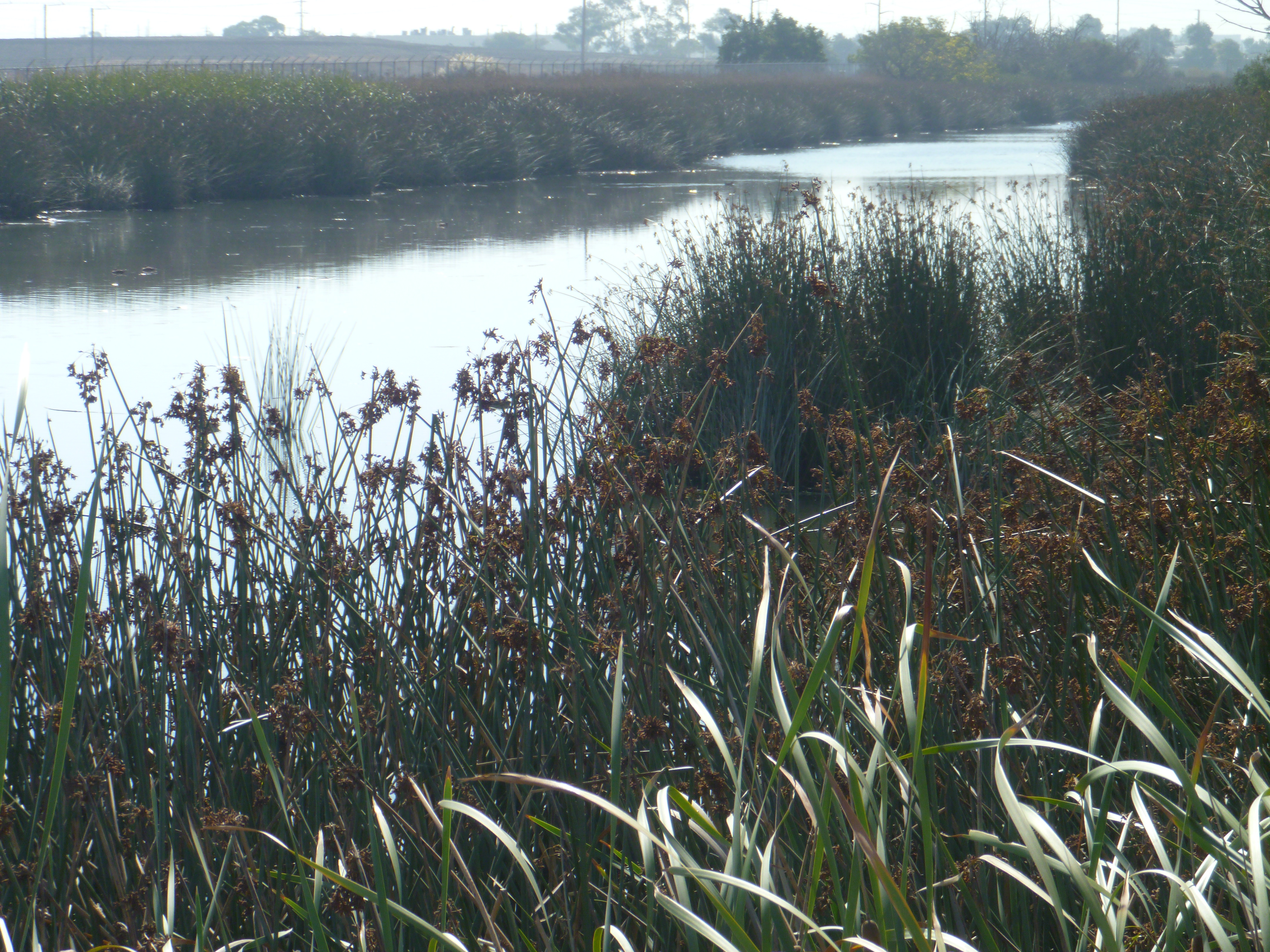
| 9/16/2012 | 0900-1830 | 7.30 | Don Edwards Wetlands - Worked two programs the first was World Water Challenge the second assisted in the Habitat Hike. 1. After being trained on the equipment to be used I was asked to take over the World Water Challenge as they were a person short. This program to place on the docks of the Alviso boat ramps. It consisted of working with young children and adults. We checked turbidly, PH, salinity and oxygen levels. The We talked about what causes these reading to change, why it is important to monitor and what could be the affect if these reading change, here and at other testing sites. We came up with ideas to make a difference in keeping this water way healthy. 2. Assist with Habitat Hike-Set up auditorium for 60 students Program consist of lecture and small hike on boardwalk around wetlands. Information and ideas exchanged on history of the area, why the wet lands are important, how they filter and create oxygen. Visual inspection difference in vegetation, animal habitat, food sources and water salinity. There are five different types of wetland habitat- Tidal, Non-Tidal, Brackish, Fresh water and uplands. |
| 9/20/2012 | 1400-1630 | 2.30 | Assist with Critter Café- Welcome to the dinning extravaganza found at the wetlands. In this interruptive class students collect water samples for the different wetlands habitats during the habitat hike. One back at the classroom the draw samples of the water collected and view the critters that are in the water via magnifying glasses and micro scopes. While identifying and counting a game is played of who found the smallest creature and how many different life forms. After class clean-up is a must returning water samples back to there ordinal sources, rinsing/ cleaning equipment used, putting away equipment and possible set up for the next class. Have been requested to write and present the "Marshland Rabbit program on Sunday 9/30 for 4 to 6 year olds. |
| 9/21/2012 | 1500-1900 | 4.00 | Research and draft program on area "rabbits". Started taking pictures for power point. |
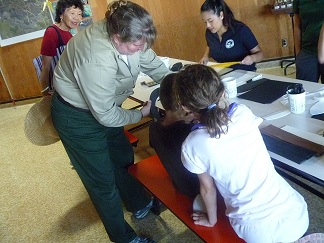
| 9/22/2012 | 0900-1300 | 4.00 | Work front Visitors desk- Sign-out backpacks, binoculars' and wildlife games with visitors leaving collateral. Answer phones and visitor questions. Help set up auditorium for Bird Drawing Class. Picture taking for power point of "rabbits". |
| 9/25/2012 | 1400-1630 | 2.30 | Assist with Habitat Hike with Critter Café - Collage students environmental studies field trip. These programs were of a more intense and challenging curriculum as this are normally based for 5th -12th grade age students. |
| 9/26/2012 | 4.00 | Write final draft and create power point for "rabbit" program. More research required abour their history. Emailed draft to Julie for her approval. | |
| 9/27/2012 | 1500-1900 | 4.00 | Parent Training - This instructional class combinted 6 of the most used programs and taught parent how to assist the schools teacher so the students can get the most out of the programs. Covered sign-in table, assisted on hike and labs. Helped in clean-up. Julie was unable to open the PowerPoint or written program, down loaded on a memory stick so she could pull it up. |
| 9/29/2012 | 1100-1130 | .30 | Created final adjustment on power point and adjusted timing. Gathered items required for the program. Verified guest bunny visit, wrote thank you cards and placed them with a gift. |
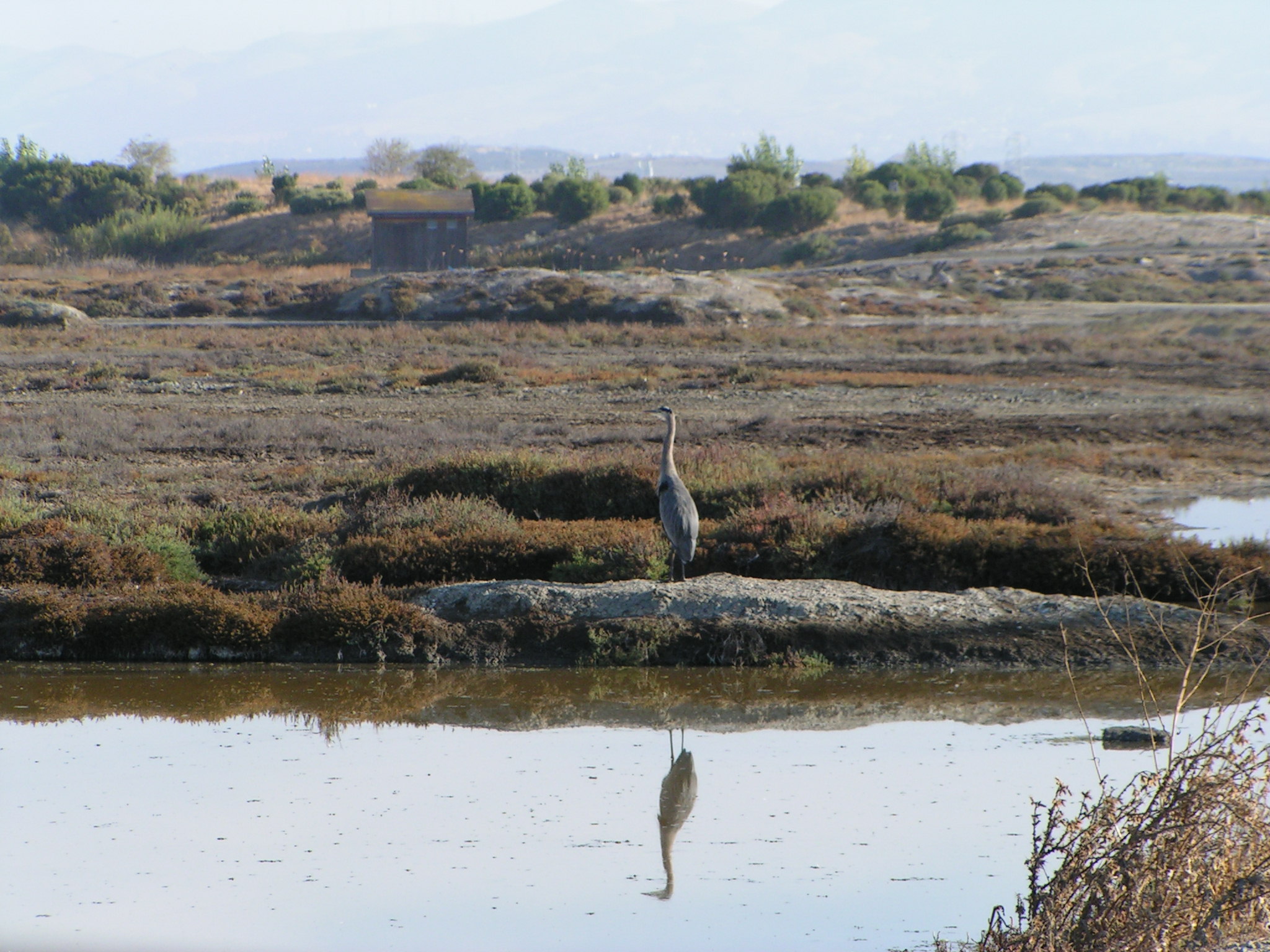
| 9/30/2012 | 0900-1500 | 8.00 | Two Programs today- 1. Marshland Rabbits- This program I was asked to create and present to 4-6 year olds. The program consisted of a breif over view of the refuge, history, what they eat and how they surive as pry of the two specise of "rabbit" found in these wetlands. Cotton Tail and Jack Rabbit who is really a hare. Fun filled power point with find Charlie the cottontail, baby bunnies, where would you hide and a close-up view of Salty our salt marsh mouse. then a hike to veiw the differances of the uplands and the marshlands and finding hiding places were "Jack or Charle could be found". Learning and testing out the running zigzag flight pattern along with how far the Jackrabbit could jump if scard and how far we can jump was really an eye opener. Finally we had a guest visit from a domesticated rabbit which we could pet and feed. 2. Boy Scout Habitat and Bird Watching- After a habitat over view and an intro of how to identify bird found in the wetlands, each Scout was issued thier own coloring bird book and a pair of bionculars. As we followed the Marshland Trail we spotted and identified birds by size, colors and calls. This was made easy by thier colored books they carried with them. |
| 10 | 1500-1730 | 2.30 | Research and draft program on areas nocturnal life for a new program. |
| 10/14/2012 | 0930-1700 | 7.30 | Two Programs today- 1. Assist with Butterfly Garden Scavenger Hunt- On a brief hike children learned about what the butterfly's eat, how the locate the sweet nectar and the dormant plant we see today. Program stated by decorating play binoculars and decorating a reusable bag in which they would collect their goodies. Instructions were given verbally and in writing on what they were to look for and collect. They were off! Once they collected there items, they created animals out of leaves and sticks, hung them to create a mobiles. Chomper and Stompers- bird identification and why do they have those beaks and feet? 2. Chompers and Stompers ~ This program helps the students identify birds and understand why they have developed the types of beaks and feet that best meet thier needs. Research for program in December." Night Life" |
| 10/15/2012 | 1430-1600 | 1.30 | Habitat Walk ~ DeAnnza College Students: This program is focused on details and at a higher level of learning. This is a City College Science class field trip. Areas of focuse are Tidal/Non-Tidal (flow), Brackish Slough, Fresh water streams and uplands. Plant, animal, chemical, history and the human envromental impact to this this type of envroment. (Slide show and hike) |
| 10/16/2012 | 1430-1630 | 2.00 | Habitat Walk ~ DeAnnza College Students: This program is focused on details most of the students were foreign exchange with no environmental science education. This is a City College Science class field trip. Areas of focused are Tidal/Non-Tidal, Brackish Slough and uplands. Plant, animal, chemical, history and the human environmental impact to this this type of environment. (Slide show and hike) |
| 10/21/2012 | 0800-1220 | 4.20 | Work Visitors Centers front desk- Sign-out backpacks, binoculars' and wildlife games with visitors leaving collateral. Answer phones and visitor questions. Set up/ clean up Critter Café lab. |
| 10/24/2012 | 1500-2100 | 6.00 | Rearch and development of "Night Life" program. |
| 10/27/2012 | 1300-2000 | 8.00 | Spooky Soulth~. What types of creatures lurk about and fly at night in the refuge? This night time program that drew about 400 people, who learned about the nocturnal animals adaptations, their habitat dangers at night and what they could do to help them. Through various hands-on activities, live animals, story time, games and a twilight trek down the board walk. My duties were to help set up and break down booths, work with visitors and volunteers. Manned station #2 sense of smell, how could this be useful if you were a creature of the night? This was a fun (for all) and well planned out activity that could be adapted to any park, reserve, or open space. |
| 11/3/2012 | 0900-1700 | 8.00 | Girl Scout Science Badge and Visitors Center- Conducted 2 classed on the habitat and environmental impact to the area created by man. This includes the Habitat Hike and the food chain with puppets and audiences participation. Having the first group of around 40 people the challenge was to keep everyone engaged. The second group was only about 20 people and it was easier to get all of them involved with in the presentation. |
| 11/15/2012 | 1530-1730 | 2.00 | Parent Training - This instructional class combinted 6 of the most used programs and taught parent how to assist the schools teacher so the students can get the most out of the programs. Covered sign-in table, assisted on hike and train parnets and teacher in the use of the script and understanding of the program of the Critter Cafe. Assisted in clean-up after the program ended. |
| 11/17/2012 | 0900-1700 | 8.00 | Worked front Visitors Center desk- Open and closed Visitor Center, sign-out backpacks, binoculars' and wildlife games with visitors leaving collateral. Answer phone, gave out maps/pamphlets and answered visitor questions. Wrote receipts for items sold. Cleaned and dusted when no visitors. |
| 11/18/2012 | 0900-1700 | 8.00 | Worked front Visitors Center desk-Help set up classrooms for future labs and sign-out backpacks, binoculars' and wildlife games with visitors leaving collateral. Answer phone, gave out maps/pamphlets and answered visitor questions. Wrote receipts for items sold. |
| 11/24/2012 | 0800-1400 | 6.00 | Writing Nocturnal Program- After the research of nocturnal animals at the Don Edwards Refuge, planning how to present program and choosing the actives that match the program. Once the program was written, started searching for sound bites and pictures to enhance the presentation. |
| 11/25/2012 | 0930-1700 | 7.30 | Visitor Center and Critter Café- For the holiday weekend the refuge was hopping. As my co-workers took great care of the visitors needs as I presented Critter Café to about 14 people. Lots of questions from both children and parents about the restoration project and how the animals will adapt to the changes. |
| 12/01/2012 | 1230-1530 | 3.00 | National Wildlife Refuge (visitor center)- Approched visitors and asked if they would like to take a survrey. This type of information was being gathered at all the wildlife refuges to gather information on visitor usage and possible changes on usage of the refuge. During this time I also help vistors find their way around, identify birds, plants and other types of animal habitat at the refuge. |