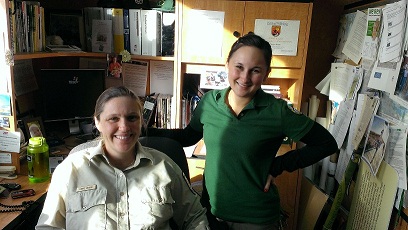
This web site is a document of my Internship at Don Edwards San Francisco Bay Wildlife Refuge.
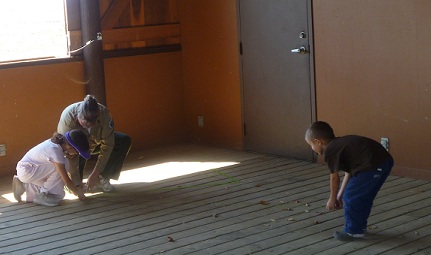
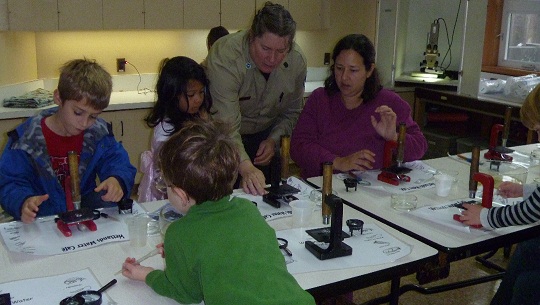
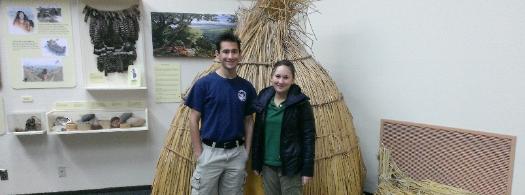
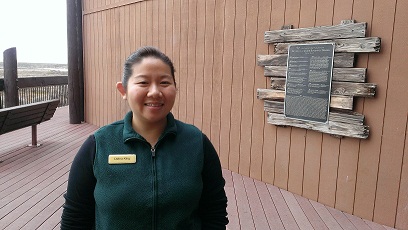
When I arrived I was greeted by very competent and outgoing staff. I soon learned, I could not have been more blessed than to work at this educational center. The Wildlife Educational Center is considered to be one of the top, for interpretative educational programs and is modeled throughout the United States. These programs are very interactive, using puppets, pictures, maps, power points, arts/crafts, games, binoculars, hands on labs and much more. All of these interactive and educational props were at my disposal, for the programs I wrote or presented, which I saw first-hand how effective and fun they were.The staff I was honored to work with, is overseen by The San Francisco Bay Wildlife Society, which is a nonprofit 501(c)(3) cooperating association, authorized by Congress to support the education, interpretation, and research activities of the U.S. Fish and Wildlife Service. The primary mission of the San Francisco Bay Wildlife Society is to promote public awareness and appreciation of the San Francisco Bay and its natural history, and to conserve and preserve the remaining bay lands as essential wildlife habitat. The staff is dedicated to the refuge, as they teach about "Salty" the Salt Harvest Mouse and "Cali" the California Clapper Rail, which are two of the endangered species at this refuge. This staff focuses their efforts on the education, of the environmental impact created by humans and how each one of us can make a difference, by the actions and decisions we make. They brainstorm with the students and visitors on what they can do at home, school and in the office to make a difference. As a TEAM, this group works with each other seamlessly to fill gaps created by budget cuts, so that very important research projects such as land/plant restoration, documentation of changes do to climate, and the effects it is having on the migration survival of many species can continue. Goals and deadlines are reached through the dedicated team work of the employees, interns and volunteers. My direct supervisor during my voluntary educational internship, has been Educational Specialist Julie Kahrnoff, who works for the San Francisco Bay Wildlife Society. Julie has been very supportive in helping me learn about the refuge, and the plants and animal programs. She has encouraged me to explore new avenues in various educational training methods. Other staff members such as Interpretive Specialist Debra King, Environmental Specialist Genie Moore and Tia Glagolev, have given me opportunities to participate in helping the visitors within their programs. Interns such as Michael D'Agostino and Diane Luu have been a resource for inspirational ideas, support and comradery. This is an exceptional staff, and a learning opportunity for anyone striving toward working in the field of envronmental education. My learning experience at Don Edwards SFB Refuge includes; broadening my scope of possibilities when educating the public, using props, and development of programs. Educational labs such as those at the educational center in Alviso, are hands on education and fun for all ages. Habitat walks fill the visitors senses (sight, sound, smell, taste, touch), while they learn the differences between uplands, title marshes, and sloughs, as well as the plants and animals unique to these areas.
*To learn more about the plants and animals at Don Edwards San Francisco Bay Wildlife Refuge through my time spent at the refuge, please look under the heading Plants and Animals. Also free field trip and educational programs are offered at each of the two sites at the Don Edwards San Francisco Bay National Wildlife Refuge. Both Refuges offer Wetland Round-Up field trips at the Refuge Headquarters in Fremont, and at the Environmental Education Center in Alviso. The San Francisco Bay Wildlife Society, the City of San Jose, and the U.S. Fish and Wildlife Society offer the Living Wetlands program at the Environmental Education Center in Alviso. For more information on this, visit the web site: http:ww.fws.gov/desfbay. This web site will take you to the Tideline publication of current and past publications.
|
|||||||